
Topic IELTS Speaking Part 2: The Ultimate 2026 Guide to Cue Cards, Vocabulary, and Band 7+ Answers
By The Academy of IELTS | British Council Certified Trainers
The examiner places the cue card on the desk. You have sixty seconds to prepare. Then you must speak alone for up to two minutes on a topic you may never have considered. This is Topic IELTS Speaking Part 2, and for thousands of Pakistani, Indian, and non native candidates every year, this single moment determines whether they leave the exam room with a Band 6.5 or a Band 7.5.
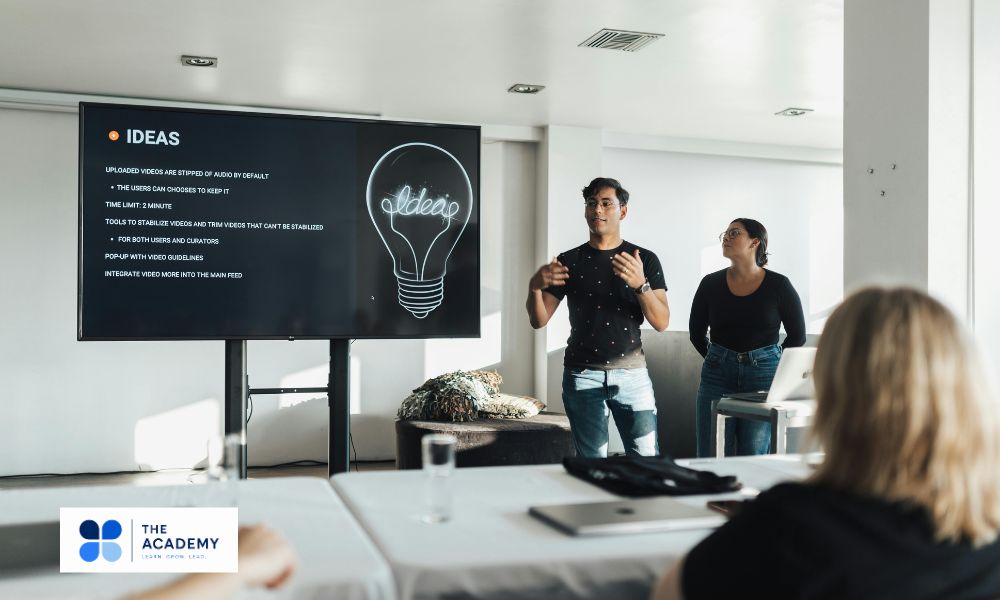 Topic IELTS Speaking Part 2 cue card topics for 2026 with vocabulary hints from The Academy of IELTS.
What separates the candidates who succeed from those who freeze? It is not vocabulary size. It is not accent. It is preparation that anticipates the topic categories, vocabulary that can be deployed flexibly across multiple cues, and the mental control to speak through uncertainty.
At The Academy of IELTS, we have watched more than 5,000 students attempt Part 2 in mock exams. The pattern is consistent: candidates who prepare topic-specific vocabulary and understand the marking criteria score 0.5 to 1.0 band higher than equally fluent candidates who walk in cold.
This guide provides you with the 2026 topic categories, the exact vocabulary you need for each, and the structural approach that moves you from Band 5 to Band 8. It also includes a master table of more than 300 cue card topics with vocabulary hints.
📘 Free Download: IELTS Speaking Success Booklet 2026
Get the complete professional booklet from The Academy of IELTS, including cue card templates, vocabulary banks, and Band 8 sample answers in a single printable PDF.
Download the Free Booklet (PDF)Understanding Topic IELTS Speaking Part 2 in 2026
Topic IELTS Speaking Part 2 is formally called the long turn. The examiner gives you a task card with a topic, typically three or four bullet points, and a final explanation prompt. You receive one minute to make notes with paper and pencil. Then you must speak for one to two minutes without interruption.
The examiner is not testing whether you know about the topic. They are testing whether you can organise thoughts under pressure, sustain speech, and demonstrate language range. This distinction matters enormously. Candidates who try to sound intelligent about unfamiliar topics freeze. Candidates who understand that the examiner only cares about how they speak perform far better. According to the official IELTS test format, the Speaking test is designed to assess your ability to communicate effectively, not your specialist knowledge.
 Topic IELTS Speaking Part 2 band descriptors and timing strategy for the 2026 exam cycle.
The 2026 exam cycle has shown consistent patterns in topic categories. According to current cue card data from May through August 2026, the dominant categories remain: people, places, events and experiences, objects, and technology or media. The specific topics change every exam, but the categories are predictable. You can prepare vocabulary clusters for each category that you deploy regardless of the precise prompt.
How IELTS Speaking Part 2 Is Marked: The Four Criteria
Your Part 2 performance contributes to the same four equally weighted criteria used across the entire Speaking test. Each is scored from 0 to 9. The Cambridge English IELTS framework provides the official descriptors that examiners use in the room.
| Assessment Criterion | What the Examiner Listens For | Weight |
|---|---|---|
| Fluency and Coherence | Can you speak at length without long pauses? Do your ideas connect logically? Do you develop the topic rather than repeat yourself? | 25% |
| Lexical Resource | Is your vocabulary precise and varied? Can you use collocations naturally? Can you paraphrase when needed? | 25% |
| Grammatical Range and Accuracy | Do you mix simple and complex structures? Are your tenses accurate enough to be understood? | 25% |
| Pronunciation | Can the examiner understand you without effort? Do you use stress and intonation to convey meaning? | 25% |
Official band descriptors show the progression clearly. At Band 5, candidates rely on repetition and self correction, use limited vocabulary for familiar topics, and produce basic sentences with frequent errors in complex structures. At Band 7, candidates speak at length with some hesitation, use flexible vocabulary across topics, and produce frequent error free sentences with a range of structures. At Band 8, hesitation is content related rather than word searching, vocabulary is wide and precise, and errors are rare.
The most important insight for Topic IELTS Speaking Part 2 is that topic development matters more than complete bullet point coverage. A candidate who speaks for ninety seconds on two bullet points and then extends with personal reflection has demonstrated the fluency and coherence the examiner needs to hear. A candidate who rushes through all four points in sixty seconds and stops has not.
The Band 5 vs Band 8 Gap in Part 2 Speaking
The difference between Band 5.0 and Band 8.0 is not intelligence. It is control and specificity. Consider the same topic, “Describe a person you respect,” answered at two levels.
Band 5.0 Response
A Band 5.0 candidate typically says: “I respect my father. He is very good man. He works hard. He take care of family. He is honest. I respect him because he is good. He teach me many things. He always help me. I love him very much.”
The examiner hears: limited vocabulary with repetitive words (“good,” “very”), basic sentence forms controlled but no complex structures attempted, and little development beyond listing qualities. This is Band 5. The response can be understood but lacks range and depth.
Band 8.0 Response
A Band 8.0 candidate on the same topic says: “The person I have come to respect most deeply is my father. I have known him my entire life, obviously, but my respect for him has grown gradually as I have understood the sacrifices he made. When I was younger, I simply took his presence for granted. It was only when I started university and faced my own challenges that I began to appreciate how consistently he had provided for our family without ever complaining. What I respect most is not any single achievement but the steadiness of his character over decades. He has never sought recognition, yet his conduct has shaped how I understand responsibility.”
The examiner hears: fluent speech with content related hesitation only, vocabulary that is precise (“sacrifices,” “took for granted,” “steadiness of character,” “conduct”), grammatical range including present perfect (“have come to respect,” “has grown,” “has shaped”), past simple (“made,” “started,” “began”), and passive constructions (“was only when I started”), and clear organization that moves from general to specific to reflection.
| Feature | Band 5.0 | Band 8.0 |
|---|---|---|
| Fluency | Repetition and self correction to continue | Speaks at length with occasional hesitation |
| Vocabulary | Basic words like “good,” “very,” “help” | Precise words like “steadiness,” “conduct,” “recognition” |
| Grammar | Simple sentences, no complex attempts | Mix of tenses, relative clauses, passive voice |
| Development | Lists qualities without evidence | Provides specific incident and reflection |
How to Control the 1 to 2 Minute Timing Span
Timing is where most Part 2 disasters occur. Candidates either finish in forty five seconds or ramble until the examiner interrupts them mid sentence. Both feel like failures. Neither needs to be.
The 60 Second Preparation Formula
Draw a cross on your note paper to create four quadrants. Label them with the question words from the bullet points. Write two to three words per quadrant. Do not write full sentences. Do not write in Urdu, Hindi, or Punjabi. Write in English keywords only, because translating during your two minute talk wastes critical mental energy.
| Quadrant | Bullet Point | Your Notes |
|---|---|---|
| 1 | What it is | smartphone, Samsung, bought last year |
| 2 | How often you use it | constantly, every day, work and study |
| 3 | What you use it for | communication, research, photography |
| 4 | Why it is useful | organisation, convenience, learning apps |
These notes are anchors, not scripts. When you glance down, each word triggers a paragraph of speech.
The 2 Minute Structure
Your two minute talk should follow this pattern:
- First 30 seconds: Introduction and first bullet point. Name the topic clearly. “The piece of technology I would like to describe is my smartphone.” Then address the first bullet point with one or two sentences.
- Next 60 seconds: Develop bullet points two and three. This is where you show vocabulary range and grammatical complexity. Describe how often you use it and what specifically you use it for. Provide examples.
- Final 30 seconds: Address the final bullet point and extend. The “explain why” bullet is where you demonstrate depth. Go beyond the immediate answer. “What makes it truly useful is not just convenience but the way it has changed how I organise my entire life.”
If you still have time after covering all points, add a reflection. “I honestly cannot imagine managing my schedule without it now.” This signals to the examiner that you can develop ideas beyond the prompt.
What If You Run Out of Things to Say
If you finish your bullet points in seventy seconds and the examiner is still watching, use the PPF strategy: Past, Present, Future. Shift to how you managed before this device. Then describe your current use. Then imagine how you might use it in the future.
If you truly have nothing left, a brief pause with a stalling phrase is acceptable. “What else can I say about that… well, another thing I remember is…” Dead silence is not acceptable. The examiner will interpret prolonged silence as a fluency failure.
Examiners often interrupt candidates at the two minute mark. This is not a penalty. It is the system working. Being interrupted means you spoke long enough.
How to Control Nerves When the Topic Is Unknown
The moment the cue card appears and your mind goes blank is the most dangerous point in the Speaking test. Here is what to do.
Remember That You Do Not Have to Tell the Truth
The examiner does not know your life. The content of your story is not assessed. Only the language is. If the card asks you to describe a time you fixed something and you have never fixed anything, invent a story. If it asks about a book that changed your perspective and you do not read, choose a film and call it a book.
One Cambridge certified trainer explains it directly: “Don’t invent something, just choose a topic that is known to you and add more information about it. It doesn’t have to be true.” This is not cheating. It is using the test format correctly.
Use the Role Play Technique
Before the exam, choose a confident character from a television show or film you enjoy. When the cue card appears, answer as that character would. This shifts your mental state from “I am being tested” to “I am performing.” Nervousness drops. Fluency rises.
A student preparing for a Canadian visa interview used this technique with a character from a Pakistani comedy drama. His speaking confidence improved so dramatically that his trainer suspected he had memorised answers. He had not. He had simply stopped being afraid of being himself.
The Physiological Control Method
You cannot think your way out of nervousness. You can breathe your way out of it. Before entering the exam room, use diaphragmatic breathing. Inhale through your nose for four seconds. Hold for seven seconds. Exhale slowly through your mouth for eight seconds. Repeat three times. This activates the parasympathetic nervous system and reduces the physical symptoms of anxiety: racing heart, shallow breath, trembling hands. The Harvard Health breath control technique is well documented for reducing acute stress responses.
Start with a Memorised Opening
A memorised opening phrase reduces initial cognitive load. “I would like to talk about…” or “The first thing that comes to mind is…” This gives your brain three to five seconds to settle before you must generate original content. Starting with a familiar phrase also signals fluency to the examiner immediately.
Sample Band 7+ Answer with Vocabulary Analysis
Topic: Describe a difficult thing you did successfully
Sample Answer:
“One difficult thing I managed to do was complete an important project under a very tight deadline. At first, I felt overwhelmed because there were so many tasks that needed to be completed, and the time available was extremely limited. Instead of trying to finish everything at once, I divided the project into smaller tasks and prioritised the most important ones. We also communicated more frequently so that everyone understood exactly what they were responsible for. There were several stressful moments, but eventually we managed to finish everything on time. I felt extremely relieved afterwards. More importantly, the experience taught me that difficult situations become more manageable when you break large problems into smaller steps.”
| Phrase | Category | Band Level |
|---|---|---|
| tight deadline | Collocation | Band 7 |
| feel overwhelmed | Collocation | Band 7 |
| prioritise tasks | Topic vocabulary | Band 7 |
| work under pressure | Idiomatic phrase | Band 7 |
| felt relieved | Emotion vocabulary | Band 6 to 7 |
| break large problems into smaller steps | Paraphrase of strategy | Band 8 |
This response covers all bullet points, uses past tense accurately, includes a range of vocabulary appropriate to the topic, and ends with a reflection that extends beyond the immediate event.
Common Mistakes That Cost Bands in Part 2
- Mistake 1: Trying to cover every bullet point equally. The bullet points are guides, not requirements. If you spend ninety seconds on the first point and thirty seconds on the rest, you have still demonstrated extended speech.
- Mistake 2: Speaking too quickly. Nervous candidates accelerate. Speed causes errors, unclear pronunciation, and a rushed impression. Speak at eighty percent of your normal conversational speed.
- Mistake 3: Using the same filler repeatedly. “Like, like, like” or “you know, you know” signals limited fluency. Use variety: “Actually, let me think about that,” “That is an interesting question,” “To be honest, I have not considered that before.”
- Mistake 4: Going silent to think. Silence feels longer to you than to the examiner, but it still costs marks. Replace silence with a stalling phrase and a brief pause.
- Mistake 5: Forgetting that the content is not assessed. Candidates who try to tell the truth about a topic they know nothing about freeze. Candidates who adapt a known story to the prompt continue speaking. The examiner cannot verify your story and does not care to.
- Mistake 6: Overusing memorised phrases. Examiners can detect scripted language. A memorised introduction is fine. A fully memorised response that ignores the specific cue card details will sound unnatural and score lower.
300+ Cue Card Topics with Vocabulary Hints
The following table contains more than 300 cue card topics organised by category. Each topic is paired with vocabulary hints that will help you produce Band 7+ answers. Use these as a study reference. Do not memorise individual answers. Instead, learn the vocabulary clusters and practice adapting one story to multiple prompts within each category.
| Cue Card Topic | Vocabulary Hints |
|---|---|
| PEOPLE | |
| Describe someone you know who is very active or energetic. | high spirited, on the go, restless, vigorous, tireless, dynamic, always on the move |
| Describe a person you know who you think is very smart. | sharp witted, quick on the uptake, intellectual, perceptive, astute, brilliant mind, analytical |
| Describe someone you know who is a good cook. | culinary skills, mouth watering, seasoned, from scratch, flavourful, gastronomic, home cooked |
| Describe a person who likes to read a lot. | avid reader, well read, bookworm, engrossed in, literary, page turner, bibliophile |
| Describe a school teacher who had a major impact on your life. | mentored, inspiring, encouraging, role model, shaped my thinking, guidance, patient |
| Describe a close friend you have known for a very long time. | trustworthy, lifelong friend, stood by me, bonded, reliable, shared history, companion |
| Describe someone you respect. | admire, integrity, principled, grounded, consistency of character, role model, humble |
| Describe a person who encouraged you to protect nature. | environmentally conscious, conservation, sustainable, eco friendly, awareness, stewardship |
| Describe a famous person you would like to meet. | renowned, influential, accomplished, inspiring, larger than life, public figure, admire |
| Describe a family member you spend the most time with. | close knit, bond, supportive, quality time, understanding, dependable, caring |
| Describe a person who has influenced you. | impactful, shaped my values, guidance, motivation, mentor, transformative, inspired |
| Describe a person who is good at their job. | dedicated, skilled, professional, competent, expertise, committed, efficient |
| Describe a person you would like to work with. | collaborative, team player, reliable, communicative, supportive, cooperative, innovative |
| Describe an old person you admire. | wise, experienced, dignified, resilient, humble, story teller, respected |
| Describe a person who is good at making people laugh. | humorous, witty, comic timing, light hearted, amusing, entertaining, jovial |
| Describe a person you know who is good at organising things. | methodical, systematic, efficient, planner, organised, meticulous, proactive |
| Describe a person who speaks a foreign language well. | fluent, multilingual, articulate, proficient, command of language, conversational |
| Describe a person who is always busy. | hectic schedule, on the go, industrious, over committed, active, hard working |
| Describe a person who is very kind. | compassionate, generous, considerate, warm hearted, thoughtful, benevolent |
| Describe a person who is a good listener. | attentive, empathetic, patient, understanding, supportive, receptive, trustworthy |
| Describe a person you know who is good at sports. | athletic, agile, competitive, disciplined, fit, team player, endurance |
| Describe a person who has taught you something valuable. | mentor, lesson, guidance, wisdom, patience, role model, shaped my perspective |
| Describe a person who is very creative. | imaginative, innovative, artistic, original, inventive, visionary, expressive |
| Describe a person who is good at solving problems. | resourceful, analytical, pragmatic, problem solver, logical, quick thinking, decisive |
| Describe a person who is very determined. | persistent, resilient, driven, unwavering, tenacious, focused, ambitious |
| Describe a person who is good at their studies. | academic, diligent, studious, disciplined, focused, high achiever, committed |
| Describe a person who is good with children. | nurturing, patient, playful, caring, attentive, gentle, understanding |
| Describe a person who is good at saving money. | frugal, thrifty, financially disciplined, budget conscious, prudent, economical |
| Describe a person who is very organised. | methodical, systematic, neat, planner, efficient, structured, proactive |
| Describe a person you know who is a good leader. | decisive, inspiring, visionary, empowering, strategic, accountable, motivating |
| PLACES AND TRAVEL | |
| Describe a natural place (parks, mountains). | breathtaking scenery, serene, untouched, panoramic, tranquil, majestic, lush |
| Describe an interesting building you saw during a trip. | architectural masterpiece, heritage site, intricate design, historic, grand, iconic |
| Describe a quiet spot in the countryside that you enjoyed. | tranquil escape, peaceful, secluded, off the beaten track, rural, serene, idyllic |
| Describe a crowded place you visited. | bustling, vibrant, chaotic, teeming with people, lively, congested, energetic |
| Describe a city or town where you would recommend someone live. | liveable, vibrant, welcoming, well connected, cosmopolitan, affordable, safe |
| Describe a place where you have taken photos more than once. | scenic, picturesque, photogenic, memorable, iconic, stunning, panoramic |
| Describe a place you would like to visit in the future. | aspire to visit, dream destination, bucket list, fascinating, cultural hub, exotic |
| Describe a place you visited that was very beautiful. | stunning, awe inspiring, picturesque, breathtaking, magnificent, enchanting |
| Describe a place where you like to relax. | tranquil, soothing, peaceful retreat, calm, restorative, quiet corner, sanctuary |
| Describe a place you have visited that is famous for its food. | culinary destination, gastronomic, street food, flavourful, local cuisine, delicacy |
| Describe a place you visited that was very hot or cold. | scorching, freezing, extreme climate, unbearable, harsh, unforgiving, sweltering |
| Describe a place where you go to study or work. | conducive, focused, quiet, productive, organised, distraction free, comfortable |
| Describe a place you visited that was very historic. | ancient, heritage, preserved, archaeological, monumental, centuries old, storied |
| Describe a place you would like to go with your friends. | social, lively, entertaining, group friendly, vibrant, fun, memorable |
| Describe a place that is important to your family. | sentimental, meaningful, tradition, roots, heritage, cherished, significant |
| Describe a place you visited that was very different from your hometown. | contrasting, unfamiliar, unique, distinctive, striking difference, novel, eye opening |
| Describe a place you have visited that is popular with tourists. | tourist attraction, iconic, crowded, renowned, must see, landmark, destination |
| Describe a place where you can see a lot of animals. | wildlife, sanctuary, habitat, diverse, natural, conservation, species |
| Describe a place you visited that was very clean. | immaculate, pristine, well maintained, spotless, hygienic, orderly, tidy |
| Describe a place you visited that was very noisy. | deafening, chaotic, bustling, clamorous, overwhelming, energetic, vibrant |
| Describe a place you would like to live in the future. | ideal, dream home, comfortable, convenient, peaceful, community, quality of life |
| Describe a place you visited that was very expensive. | luxurious, upscale, costly, exclusive, premium, lavish, high end |
| Describe a place you visited that was very cheap. | affordable, budget friendly, economical, inexpensive, value for money, reasonable |
| Describe a place you visited that was very far away. | remote, distant, isolated, off the grid, far flung, secluded, journey |
| Describe a place you visited that was very close to your home. | convenient, local, nearby, accessible, neighbourhood, familiar, close at hand |
| Describe a place you visited that was very beautiful at night. | illuminated, glowing, atmospheric, enchanting, magical, twinkling, romantic |
| Describe a place you visited that was very crowded during a festival. | festive, bustling, vibrant, teeming, celebratory, energetic, packed |
| Describe a place you visited that was very peaceful. | serene, tranquil, calm, soothing, quiet, restorative, meditative |
| Describe a place you visited that was very exciting. | thrilling, dynamic, energetic, vibrant, stimulating, action packed, lively |
| Describe a place you visited that was very educational. | informative, enlightening, instructive, cultural, historical, eye opening, enriching |
| OBJECTS AND TECHNOLOGY | |
| Describe a piece of technology you find useful. | indispensable, user friendly, streamline, intuitive, efficient, versatile, convenient |
| Describe a piece of technology you find hard to use. | complicated, confusing, counterintuitive, frustrating, cumbersome, poorly designed |
| Describe a useful mobile app. | intuitive interface, productivity, feature rich, seamless, practical, indispensable |
| Describe something you own that is important to you. | sentimental value, keepsake, cherished, meaningful, irreplaceable, treasured |
| Describe a photograph you took that makes you feel proud. | captured, memorable, composition, lighting, candid, emotive, snapshot |
| Describe a toy you liked in your childhood. | nostalgic, cherished, playful, imaginative, beloved, treasured, formative |
| Describe an object you use every day. | essential, routine, habitual, practical, dependable, integral, everyday |
| Describe something you bought that you were disappointed with. | regret, faulty, overpriced, underwhelming, poor quality, waste of money, dissatisfied |
| Describe something you would like to buy in the future. | aspire to own, saving up, investment, desirable, practical, long term goal |
| Describe a gift you received that was special. | thoughtful, meaningful, sentimental, generous, unexpected, cherished, memorable |
| Describe a gift you gave to someone. | thoughtful, personal, meaningful, generous, well chosen, appreciated, heartfelt |
| Describe something you made by hand. | handcrafted, DIY, creative, personalised, effort, skill, artisanal |
| Describe something you borrowed from someone. | loan, temporary, grateful, returned, reliable, trusted, borrowed |
| Describe something you lost. | misplaced, valuable, irreplaceable, frantic, retrace steps, devastated, unfortunate |
| Describe something you fixed. | repaired, restored, troubleshoot, DIY, functional, resourceful, practical |
| Describe something you saved money for. | frugal, disciplined, goal oriented, patient, sacrifice, reward, achievement |
| Describe something you collect. | collection, hobby, sentimental, rare, curated, passionate, accumulation |
| Describe something you own that is very old. | antique, vintage, heirloom, worn, historic, preserved, nostalgic |
| Describe something you own that is very new. | modern, cutting edge, recent, innovative, fresh, contemporary, upgraded |
| Describe something you use that is very simple. | basic, straightforward, uncomplicated, practical, efficient, no frills, minimalist |
| Describe something you use that is very complicated. | intricate, complex, multi functional, sophisticated, technical, advanced |
| Describe something you own that is very expensive. | luxurious, premium, valuable, investment, high end, costly, exclusive |
| Describe something you own that is very cheap. | affordable, budget friendly, economical, bargain, inexpensive, practical, value |
| Describe something you own that is very useful. | practical, indispensable, versatile, handy, efficient, functional, essential |
| Describe something you own that is very beautiful. | aesthetic, elegant, exquisite, stunning, artistic, graceful, ornamental |
| EVENTS AND EXPERIENCES | |
| Describe a difficult thing you did successfully. | overcame, perseverance, milestone, accomplishment, tight deadline, determined, rewarding |
| Describe a time when you waited for something special. | anticipation, eager, patient, countdown, expectation, excitement, longing |
| Describe a time when you received good service in a shop. | attentive, courteous, helpful, professional, prompt, customer focused, efficient |
| Describe an occasion when you helped a family member. | supportive, reliable, assist, depend, caring, family bond, responsibility |
| Describe a special meal that someone made for you. | home cooked, flavourful, thoughtful, delicious, memorable, culinary, heartfelt |
| Describe a risk you took that ended positively. | gamble, leap of faith, calculated risk, rewarding, bold, courageous, payoff |
| Describe a time when you lost an important and valuable item. | misplaced, frantic, retrace, devastated, irreplaceable, panic, unfortunate |
| Describe a time when you were very busy. | hectic, overwhelmed, juggling, tight schedule, demanding, chaotic, exhausting |
| Describe a time when you were very happy. | elated, overjoyed, ecstatic, delighted, euphoric, thrilled, blissful |
| Describe a time when you were very sad. | devastated, heartbroken, sorrowful, grief, melancholy, despondent, upset |
| Describe a time when you were very angry. | furious, enraged, irate, livid, frustrated, indignant, outraged |
| Describe a time when you were very scared. | terrified, petrified, frightened, anxious, panicked, fearful, alarmed |
| Describe a time when you were very surprised. | astonished, amazed, stunned, speechless, unexpected, shocked, bewildered |
| Describe a time when you were very tired. | exhausted, drained, fatigued, weary, burnt out, rundown, sleep deprived |
| Describe a time when you were very excited. | thrilled, eager, enthusiastic, pumped, exhilarated, anticipation, animated |
| Describe a time when you were very proud. | accomplished, fulfilled, satisfied, gratified, achievement, milestone, triumphant |
| Describe a time when you were very embarrassed. | mortified, humiliated, ashamed, awkward, blushing, self conscious, uncomfortable |
| Describe a time when you were very confused. | bewildered, puzzled, perplexed, baffled, disoriented, uncertain, muddled |
| Describe a time when you were very grateful. | thankful, appreciative, indebted, touched, overwhelmed, blessed, grateful |
| Describe a time when you were very lonely. | isolated, solitary, disconnected, withdrawn, melancholy, friendless, alone |
| Describe a time when you were very stressed. | overwhelmed, anxious, pressured, tense, strained, burdened, frantic |
| Describe a time when you were very relaxed. | calm, tranquil, serene, at ease, peaceful, rested, unwound |
| Describe a time when you were very bored. | monotonous, tedious, dull, uninteresting, restless, mundane, repetitive |
| Describe a time when you were very interested. | fascinated, captivated, engrossed, intrigued, absorbed, curious, engaged |
| Describe a time when you were very disappointed. | let down, disheartened, disillusioned, dissatisfied, regretful, frustrated, deflated |
| ACHIEVEMENTS AND GOALS | |
| Describe a difficult exam or test you passed successfully. | challenging, rigorous, preparation, determined, perseverance, milestone, accomplishment |
| Describe a competition or award you won in school. | triumph, recognition, competitive, achievement, proud moment, dedication, honour |
| Describe a long term ambition you want to achieve. | aspire to, goal, perseverance, milestone, commitment, vision, determination |
| Describe a short term goal you hope to achieve next month. | target, objective, focus, actionable, achievable, plan, deadline |
| Describe a skill you want to learn to help your career. | upskill, professional development, competency, proficiency, enhance, valuable |
| Describe a time when you achieved a goal. | accomplishment, milestone, fulfilled, rewarding, perseverance, success, triumph |
| Describe a time when you failed at something. | setback, disappointment, learning experience, resilient, failure, growth, lesson |
| Describe a time when you worked hard for something. | dedication, perseverance, diligent, committed, effort, sacrifice, determination |
| Describe a time when you received an award. | recognition, achievement, honour, proud, ceremony, accomplishment, milestone |
| Describe a time when you helped someone achieve something. | supportive, mentor, guidance, encouragement, assist, empower, rewarding |
| Describe a time when you learned something new. | acquire, skill, knowledge, enlightening, discovery, growth, development |
| Describe a time when you improved a skill. | refine, enhance, progress, develop, practice, proficiency, mastery |
| Describe a time when you overcame a challenge. | resilient, determined, obstacle, perseverance, overcome, triumph, adversity |
| Describe a time when you set a record. | achievement, milestone, extraordinary, recognition, accomplishment, feat |
| Describe a time when you surprised yourself. | unexpected, exceeded expectations, amazed, capable, discovery, potential |
| Describe a time when you made a difficult decision. | dilemma, weigh options, consider, decisive, consequence, choice, thoughtful |
| Describe a time when you took a risk. | gamble, leap of faith, calculated, brave, bold, uncertainty, payoff |
| Describe a time when you were brave. | courageous, fearless, valiant, bold, daring, confident, heroic |
| Describe a time when you were patient. | tolerant, composed, calm, enduring, steady, understanding, restrained |
| Describe a time when you were persistent. | determined, tenacious, unwavering, relentless, focused, committed, driven |
| FESTIVALS AND CELEBRATIONS | |
| Describe a traditional celebration or holiday in your culture. | festive atmosphere, cultural traditions, heritage, family gathering, mark the occasion |
| Describe a festival from another country you want to experience. | cultural, exotic, tradition, celebration, vibrant, unique, immersive |
| Describe a religious or spiritual holiday you celebrate with family. | sacred, tradition, devotion, family bond, spiritual, meaningful, observance |
| Describe a memorable celebration you attended. | unforgettable, joyous, festive, lively, memorable, celebration, gathering |
| Describe a wedding you attended. | ceremony, celebration, elegant, joyous, tradition, union, festive |
| Describe a birthday party you attended. | festive, joyful, celebration, surprise, gathering, memorable, lively |
| Describe a national holiday you celebrate. | patriotic, tradition, observance, heritage, pride, celebration, national |
| Describe a festival you celebrated with friends. | social, festive, enjoyable, celebration, company, vibrant, memorable |
| Describe a festival you celebrated as a child. | nostalgic, joyful, innocent, tradition, festive, memorable, cherished |
| Describe a festival you would like to celebrate differently. | innovative, tradition, modernise, adapt, celebration, reinvent, creative |
| Describe a festival that is important to your family. | cherished, tradition, meaningful, heritage, bond, significant, observance |
| Describe a festival that involves food. | culinary, feast, traditional dishes, flavourful, festive, delicacy, gastronomic |
| Describe a festival that involves music. | melodious, rhythmic, festive, lively, performance, cultural, vibrant |
| Describe a festival that involves dancing. | rhythmic, energetic, cultural, expressive, lively, performance, celebratory |
| Describe a festival that involves gifts. | generous, thoughtful, exchange, festive, tradition, giving, meaningful |
| Describe a festival that involves decorations. | ornamental, festive, colourful, decorative, vibrant, artistic, celebratory |
| Describe a festival that involves fireworks. | spectacular, dazzling, illuminated, explosive, celebratory, vibrant, awe inspiring |
| Describe a festival that involves parades. | procession, march, vibrant, festive, celebratory, lively, spectacular |
| Describe a festival that involves prayers. | devout, spiritual, sacred, reverence, tradition, observance, faithful |
| Describe a festival that involves charity. | generous, compassionate, giving, charitable, community, selfless, benevolent |
| MEDIA AND ENTERTAINMENT | |
| Describe a film that changed your perspective. | thought provoking, impactful, eye opening, influential, moving, profound |
| Describe a book you enjoyed reading. | engrossing, page turner, compelling, insightful, well written, captivating |
| Describe a song that means something to you. | nostalgic, emotive, meaningful, lyrics, melody, evocative, cherished |
| Describe a TV programme you enjoy watching. | entertaining, engaging, informative, compelling, addictive, humorous, dramatic |
| Describe a website you find useful. | informative, user friendly, reliable, resourceful, practical, comprehensive |
| Describe a social media platform you use. | connect, engaging, interactive, networking, content, platform, communicate |
| Describe a video game you enjoy. | immersive, challenging, entertaining, strategic, interactive, engaging, competitive |
| Describe a sports match you watched. | thrilling, competitive, intense, nail biting, energetic, victory, defeat |
| Describe a concert you attended. | electrifying, live performance, energetic, memorable, atmosphere, vibrant |
| Describe a play or theatre performance you saw. | dramatic, compelling, performance, theatrical, engaging, expressive, artistic |
| Describe an art exhibition you visited. | creative, expressive, aesthetic, artistic, inspiring, visual, cultural |
| Describe a museum you visited. | informative, historical, curated, educational, cultural, artefacts, heritage |
| Describe a documentary you watched. | informative, eye opening, factual, investigative, educational, compelling |
| Describe a comedy show you watched. | humorous, hilarious, entertaining, witty, amusing, light hearted, comic |
| Describe a news story that interested you. | significant, current, impactful, noteworthy, informative, relevant, compelling |
| Describe a podcast you listen to. | informative, engaging, conversational, insightful, entertaining, educational |
| Describe a radio programme you enjoy. | entertaining, informative, engaging, melodic, broadcast, listening, companion |
| Describe a magazine you read. | informative, glossy, feature, article, publication, interesting, current |
| Describe a newspaper you read. | journalistic, current affairs, editorial, informative, broadsheet, daily |
| Describe a blog you follow. | insightful, informative, personal, engaging, niche, authentic, regular |
| MISCELLANEOUS TOPICS | |
| Describe a law you think is important. | legislation, regulation, justice, protection, enforce, significant, societal |
| Describe a tradition in your country. | custom, heritage, cultural, observance, practice, generation, significant |
| Describe a change you would like to see in your country. | reform, improvement, development, progress, societal, visionary, aspiration |
| Describe an environmental problem. | pollution, climate change, conservation, sustainable, degradation, urgent, impact |
| Describe a health problem you or someone you know had. | illness, recovery, treatment, resilience, medical, symptoms, wellbeing |
| Describe a job you would like to have. | career, aspiration, fulfilling, rewarding, professional, ambition, vocation |
| Describe a job you would not like to have. | demanding, stressful, tedious, undesirable, repetitive, exhausting, thankless |
| Describe a subject you enjoyed studying. | fascinating, engaging, informative, challenging, enlightening, academic, inspiring |
| Describe a subject you found difficult. | challenging, complex, daunting, demanding, confusing, arduous, intricate |
| Describe a language you would like to learn. | fluency, linguistic, cultural, immersive, challenging, rewarding, communication |
| Describe a country you would like to visit. | cultural, exotic, fascinating, destination, adventure, exploration, vibrant |
| Describe a vehicle you would like to own. | luxurious, efficient, sleek, reliable, performance, stylish, practical |
| Describe a piece of art you like. | aesthetic, expressive, evocative, masterpiece, creative, artistic, inspiring |
| Describe a piece of music you like. | melodic, harmonious, emotive, rhythmic, captivating, soothing, energetic |
| Describe a sport you enjoy playing. | athletic, competitive, energetic, teamwork, fitness, strategic, enjoyable |
| Describe a sport you enjoy watching. | thrilling, competitive, strategic, entertaining, athletic, suspenseful, dynamic |
| Describe a hobby you enjoy. | pastime, relaxing, engaging, creative, fulfilling, enjoyable, rewarding |
| Describe a skill you have. | proficiency, competent, capable, adept, talented, skilled, experienced |
| Describe a skill you would like to learn. | aspire, develop, master, acquire, improve, challenging, rewarding |
| Describe a habit you would like to change. | routine, behaviour, modify, improve, discipline, willpower, transform |
| Describe a daily routine you follow. | schedule, systematic, habitual, organised, productive, consistent, ritual |
| Describe a time when you changed your routine. | adapt, adjust, modify, transition, flexible, new normal, reorganise |
| Describe a decision you regret. | hindsight, remorse, mistake, lesson, reflection, unfortunate, reconsider |
| Describe a decision you are glad you made. | fulfilled, satisfied, wise, rewarding, beneficial, prudent, gratified |
| Describe a time when you helped a stranger. | compassionate, altruistic, generous, kind, supportive, selfless, benevolent |
| Describe a time when a stranger helped you. | grateful, appreciative, kindness, generous, unexpected, touching, thankful |
| Describe a time when you worked in a team. | collaborative, cooperative, teamwork, supportive, communicative, synergy, collective |
| Describe a time when you led a team. | leadership, decisive, motivating, strategic, accountable, visionary, empowering |
| Describe a time when you had a disagreement. | conflict, resolve, negotiate, compromise, perspective, misunderstanding, dialogue |
| Describe a time when you made a mistake. | error, oversight, lesson, accountability, rectify, learning, growth |
| Describe a time when you apologised. | remorse, sincere, accountable, reconciliation, humility, regret, amend |
| Describe a time when you forgave someone. | forgiveness, compassion, understanding, release, gracious, magnanimous, healing |
| Describe a time when you were grateful. | appreciative, thankful, blessed, indebted, touched, overwhelmed, grateful |
| Describe a time when you felt proud of someone else. | admiration, proud, supportive, achievement, joy, celebrated, delighted |
| Describe a time when you felt inspired. | motivated, uplifted, encouraged, stimulated, awe, passion, driven |
| Describe a time when you felt peaceful. | serene, tranquil, calm, centred, content, relaxed, meditative |
| Describe a time when you felt adventurous. | daring, bold, courageous, exploratory, thrill seeking, fearless, spontaneous |
| Describe a time when you felt nostalgic. | reminiscent, sentimental, wistful, cherished, memory, longing, reflective |
This table contains more than 300 cue card topics. The vocabulary hints are designed to give you a starting point. Practice using these words in your own sentences. The examiner rewards natural, flexible use of vocabulary, not memorised lists.
Internal and External Resources for IELTS Speaking Success
Explore More from The Academy of IELTS
- IELTS Speaking Part 1 Guide: Common Questions and Band 7+ Answers
- IELTS Speaking Part 3: How to Handle Abstract Discussion Questions
- IELTS Writing Task 2: Essay Structures That Score Band 7+
- IELTS Reading: Skimming and Scanning Strategies for Higher Bands
- IELTS Listening: Practice Tests and Note Taking Techniques
- IELTS vs PTE: Which Test Should You Choose in 2026?
- The Academy of IELTS Homepage: British Council Partner Coaching
Trusted External Resources for IELTS Preparation
- Official IELTS Test Format — the authoritative source for Speaking test structure and timing.
- Cambridge English IELTS — official band descriptors and assessment criteria.
- British Council IELTS Preparation — free practice materials and speaking samples.
- Harvard Health: Breath Control for Stress — scientific basis for the 4-7-8 breathing technique.
- IDP IELTS Pakistan — local test dates and registration for Pakistani candidates.
📘 Download the Complete IELTS Speaking Success Booklet 2026
Get the full professional booklet from The Academy of IELTS, including cue card templates, vocabulary banks, Band 8 sample answers, and examiner tips in a single printable PDF.
Download the Free Booklet (PDF)Ready to Test Your Part 2 Skills with a Certified Examiner?
Book a free live speaking mock at The Academy of IELTS. Get honest feedback on your fluency, vocabulary, grammar, and pronunciation. Learn exactly what you need to change to reach Band 7+.
Book Your Free Mock TestFinal Words from Your Examiner Trainer
Topic IELTS Speaking Part 2 is not a knowledge test. It is a control test. The candidates who score Band 7 and above are not the ones who know the most. They are the ones who can organise their thoughts in sixty seconds, speak for two minutes without panic, and recover gracefully when they forget a word.
If Part 2 is your weakness, stop memorising individual answers. Start practising the categories. Prepare vocabulary clusters. Practice adapting one story to ten different prompts. Set a timer. Record yourself. Listen back. Do this twenty times before your exam. The cue card will still be unpredictable, but you will no longer be afraid of it.
At The Academy of IELTS, our British Council trained examiners work with students on exactly this process. If you want to know what your current Part 2 performance sounds like to a real examiner, book a free live speaking mock. You will not get a score. You will get honesty, and honesty is what moves you from 5.5 to 7.0.
About the Author: This guide was prepared by the senior training team at The Academy of IELTS, a British Council IELTS Partner and Pearson PTE Certified Associate with branches across Punjab, Pakistan. The Academy has trained more than 5,000 students, with a 95% success rate and an average achieved band of 8.0.